



How to start with vinyl
Updated 30 Sep 2026
A turntable doesn’t play on its own. To listen to records you need three things: a turntable, a phono preamp and something to make the sound. The good news is that you may already have two of them at home.
What you need
- A turntable spins the record, the stylus follows the groove and the cartridge turns its movement into an electrical signal.
- A phono preamp boosts the very weak signal from the cartridge to a level an amplifier can use, and corrects it (the RIAA curve). Many turntables have one built in – look for a PHONO/LINE switch on the back. Older amplifiers usually have a PHONO input, newer ones mostly don’t.
- An amplifier with speakers, or powered speakers, which have the amplifier inside. A turntable with a built-in preamp and powered speakers is the simplest setup: turntable, cable, speakers.
Bluetooth turntables work, but the sound is converted to digital and compressed on the way. If you’re buying records for the sound, use a cable.
Which turntable
For a first turntable, check three things:
- Adjustable tracking force. A counterweight at the back of the tonearm sets how hard the stylus presses on the record. The cartridge maker gives the right value, around 2 grams for common cartridges.
- A replaceable cartridge, or at least a replaceable stylus. Styluses wear out and need replacing now and then. On the cheapest turntables that often isn’t possible.
- Skip suitcase turntables with built-in speakers. They usually have a ceramic cartridge with a high tracking force that wears records faster, and speakers in the same box shake the stylus.
Belt drive is perfectly fine for listening at home and tends to be quieter. Direct drive is mostly for DJs, because the platter gets up to speed instantly.
A new turntable that ticks all of the above costs roughly €250 to €500. Often recommended models at that price are the Audio-Technica AT-LP120X, Pro-Ject Primary E or Debut Carbon and Rega Planar 1.
Second-hand, look at the Technics SL-1200 and SL-1210, Dual and Thorens. Before buying, check that a new stylus is available for the cartridge, that the record plays at an even speed without wobbling and that the tonearm moves freely.
The stylus
The stylus, the tip of the cartridge, usually lasts a few hundred hours of play – the maker gives the exact figure. A worn stylus sounds harsh, distorts sibilants in particular and damages records. A replacement for a common cartridge costs a few tens of euros, so it’s not worth stretching it.
Your first records
- Speed. LPs (12 inches, 30 cm) play at 33⅓ revolutions per minute, singles (7 inches, 17 cm) at 45. Some audiophile LPs are cut at 45 – it’s always printed on the sleeve or the label. Old shellac records at 78 need a different stylus; don’t play them on a normal turntable.
- Price. A new LP usually costs €25 to €40, double albums and special editions more. The same album often differs by several euros between shops, so it pays to compare.
- 180 g means a thicker, heavier record. It warps less, but doesn’t by itself mean better sound – that depends mostly on the mastering and the pressing.
- Second-hand records are cheaper, but check the condition. Sellers grade it: M (new), NM (near mint), VG+ (plays well, light signs of use), VG (audible crackle). Tilt the record against the light: fine hairline scratches are fine, deep scratches and warps are not.
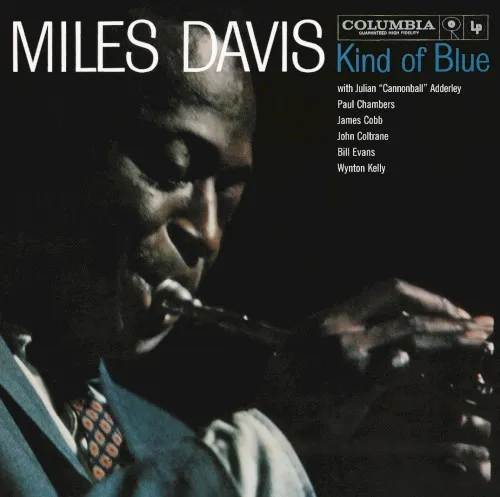
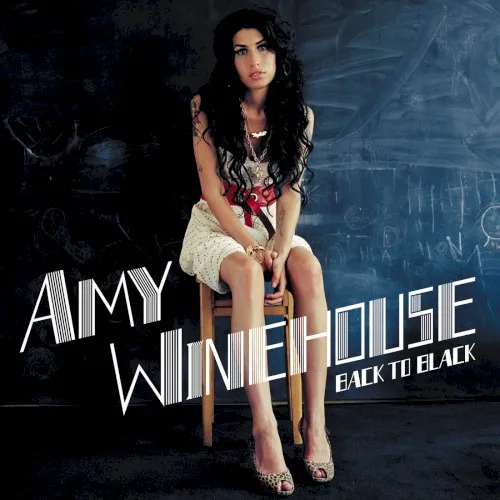
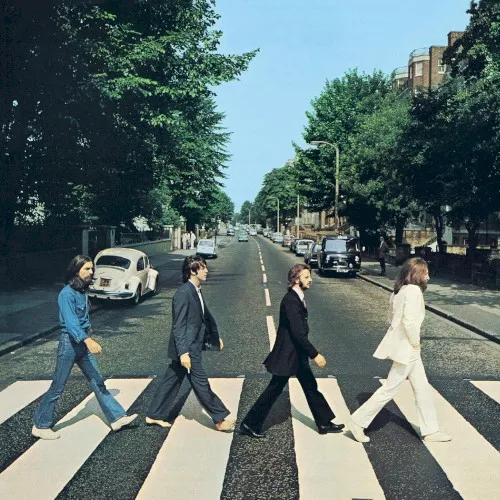
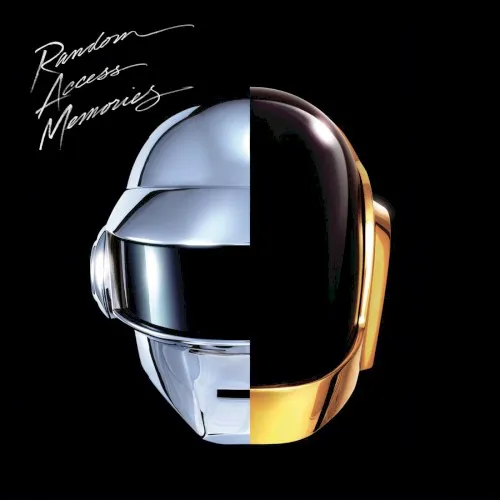
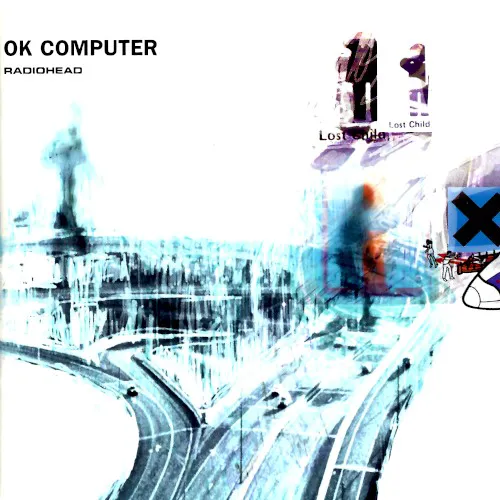
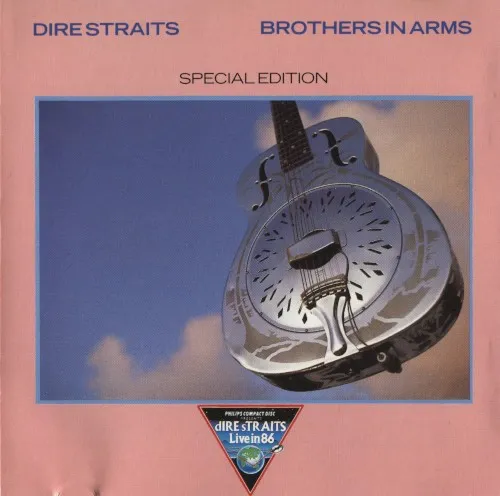
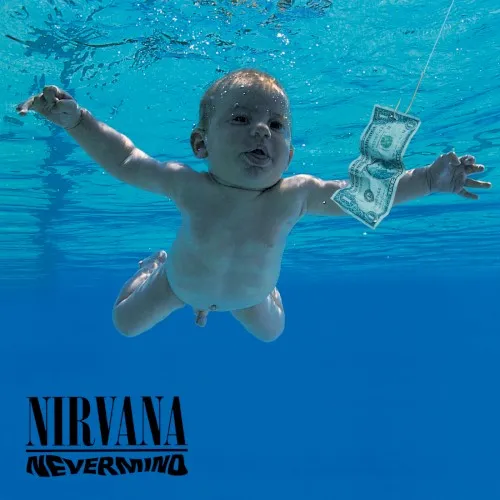
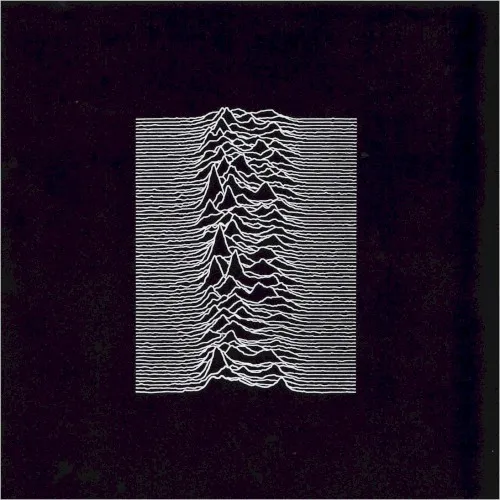
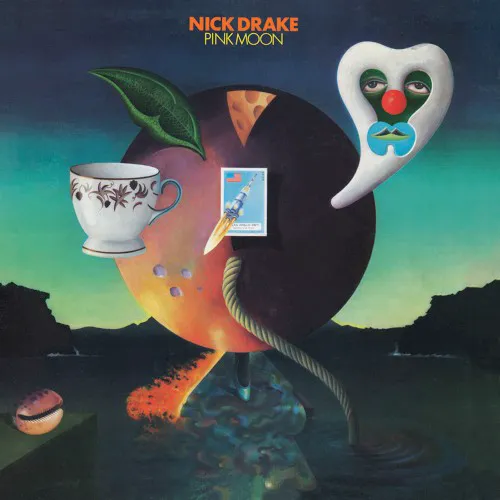
If you don’t know where to start, these albums come out on vinyl in good quality and the shops have them in stock:

How to look after records
- Store them upright, not stacked – the weight can warp them. Away from radiators and direct sunlight.
- Hold them by the edge and the label. Fingers leave grease on the groove, and you’ll hear it.
- The original paper sleeves scratch records and charge them with static. Anti-static inner sleeves are better and cost a few tens of cents each.
- Before playing, go over the record with a carbon fibre brush to remove dust. Second-hand records are worth washing, by hand or in a record cleaning machine.
Where to buy
Record shops and their online stores, second-hand shops and record fairs. Shops restock and prices change. If you want a particular record, add it to your wishlist – we’ll email you when it gets cheaper or is back in stock.
Once a year, in April, there’s Record Store Day: limited releases you can only buy in independent shops.
Found a term you don’t know? Have a look at the vinyl glossary.